
STATEMENT FROM STATE SENATOR JAKE OLIVEIRA - November 13, 2026
I respect my colleagues in the Springfield delegation and their commitment to protecting their constituents. Many of them are my constituents too, after all.
But I strongly disagree with the suggestion that surrounding communities don't have skin in the game or that this proposal is somehow about taking control of the Springfield Water and Sewer Commission away from Springfield.
This has always been about representation, not control.
The Commission's own records confirm that surrounding communities already contribute to debt service based on their water usage, and their payments help support the operation, maintenance, and infrastructure investments of this regional system.
These communities are already helping pay the bills, but they have no direct representation in the decisions that determine how that money is spent.
It's also important to remember that when the Commission was established in 1996, the City of Springfield transferred ownership of the water and sewer systems to the Commission as an independent public entity.
The Commission's own FY2015 financial report explicitly confirms that it assumed the City's existing water and sewer debt, made principal and interest payments directly to the City, and that all debt issued through Springfield had been paid in full by June 30, 2015.
Today, the financial responsibility for operating, maintaining, and investing in this system rests with the Commission and the ratepayers who fund it, including those living outside Springfield.
I also want to address the suggestion that this proposal would unfairly burden Springfield taxpayers. The Senate amendment does not impose new taxes on Springfield residents, transfer the Commission's debt to the City, or change the existing financial obligations of its customers. It changes who has representation in the decisions being made.
If there are specific concerns about additional financial obligations or risks, those deserve to be identified and discussed. But providing surrounding communities with a voice in the governance of a regional public utility should not be confused with imposing a new financial burden on Springfield taxpayers.
I agree that we need to have conversations about fair financial contributions and future infrastructure investments, but those conversations should recognize the commitments our communities are already making.
Under the Senate proposal, Springfield would actually gain an additional representative, increasing its representation from three members to four, and would retain a majority on the Commission. The remaining three seats would provide surrounding communities with a voice they have never had.
This proposal does not transfer ownership of the system to surrounding communities. It simply ensures that communities already helping finance this regional utility have representation in the decisions that affect their residents and ratepayers.
This is not about Springfield versus its neighbors. It's about recognizing that the Commission serves approximately 250,000 people across 10 communities, and that all 250,000 people who depend on and help fund this system deserve a voice in its future.
If our communities are already helping pay the bills, they deserve a seat at the table where those bills are decided.
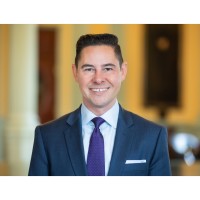
Derrick Cruz Director of Communications & Engagement

Senator Oliveira Responds to Claims Regarding Springfield Water and Sewer Commission Reform
Springfield's historical role in building our region's water and sewer infrastructure deserves recognition. But we also need to recognize how the system operates, who finances it today, and who deserves a voice in the decisions that affect its future.